Bile acids – General information
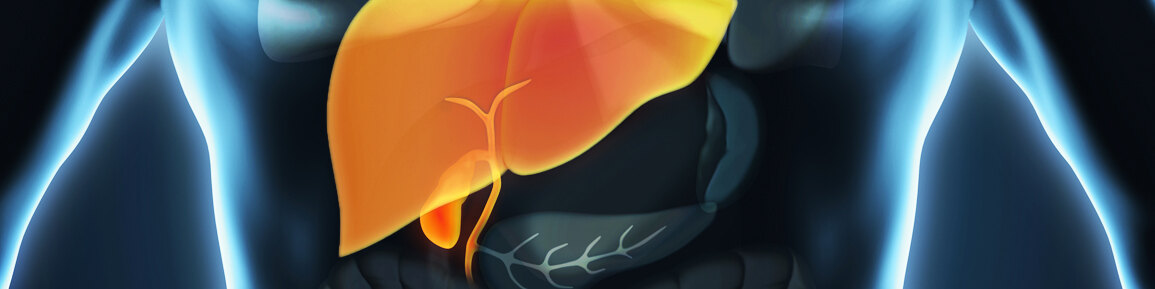
Bile acids (BA) are water-soluble, amphipathic end products of the cholesterol catabolism which are synthesized in the liver, stored in the gall bladder and secreted in the intestine during digestion. Throughout this metabolism, BA change their form from primary to secondary and tertiary BA and their conjugates. Total bile acids (TBA) refer to the sum of all these forms. Serum TBA levels are a sensitive marker of liver function, reflecting hepatic synthesis, secretion and re-absorption. [1-3]