
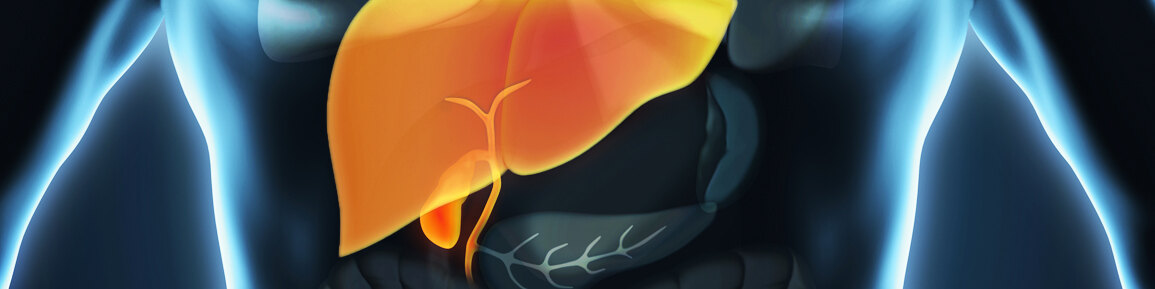
TBA in Veterinary Diagnostics
Determination of TBA concentration has become a routine diagnostic test in veterinary medicine. While measurement of other liver enzyme concentrations (ALT/AST, GGT, etc.) is helpful for detecting hepatic disease, it can’t be used to assess liver function. Measurement of TBA effectively determines liver dysfunction and is the most sensitive liver-specific test that detects liver changes prior to the development of clinical signs. [22] Therefore, TBA measurement allows practitioners to treat animals before they develop liver damage. TBA is also useful to monitor the animal’s response to treatment.
In addition, measurement of TBA is a fast, safe and easy method to assess hepatic function in animals. Bile acids are stable in serum for 1 week when stored at 2 – 8°C and they can be frozen. Therefore, they are ideal for private practitioners who send samples to regional laboratories.
Measurement of TBA is used for the diagnosis of portosystemic vascular shunts, hepatitis, cholestasis, cirrhosis, steroid hepatopathy, extrahepatic bile duct obstruction, and hepatic neoplasia in dogs. Determination of TBA is also helpful to diagnose hepatobiliary disease in cats. [22, 23]